The best feature in Skype is easy-to-use calling with both
video and audio enabled, in the past, while you want to record your calls made
through your computer, you will have to use recording equipment such as digital
inspiration that would be the lovely old school in 2010.
However, since Skype open the 3rd party API for desktop
clients, there are many plugins come out, because Skype doesn’t offer features
for recording calls, an external Skype Call Recorder is a have must utility for
plenty of Skype users. A Skype recorder is a little software that exposes extra
features to a particular usage; that's recording a Skype conversation in this
case.
Guide to select the right Skype Call Recorder
Choosing a correct call recorder for Skype is not an easy
task since there is a dozen of similar software on the market, you have to test
each of them before you make the final decision.
Some of the available call recording add-ons offer 15 days
free trial period, after that, you have to buy a full license to keep using the
software.
I saw a lot of topics related to this question posted on
Skype official forum, in the fast, Skype users properly only have a few options
to saving digital archives of all the Skype interviews.
I am going to share the list of Skype recording plugins that
I have personally tested, some of them already have an established user bases,
the Google PR and Alex visitors won't lie.
Name
|
Price
|
Supported OS
|
Main Features
|
Pamela Call Recorder for Skype
|
$34.95 for lifetime license
|
Windows XP or above
|
|
TalkHelper Call Recorder for Skype
|
$49.95 for a full license
|
Windows Vista, 7, 8, 8.1 and 10
|
|
VodBurner
|
15 days free trial, then $99/year
|
Windows 7 and above
|
|
Introducing 3 different Skype Recorders
Pamela Call Recorder for Skype
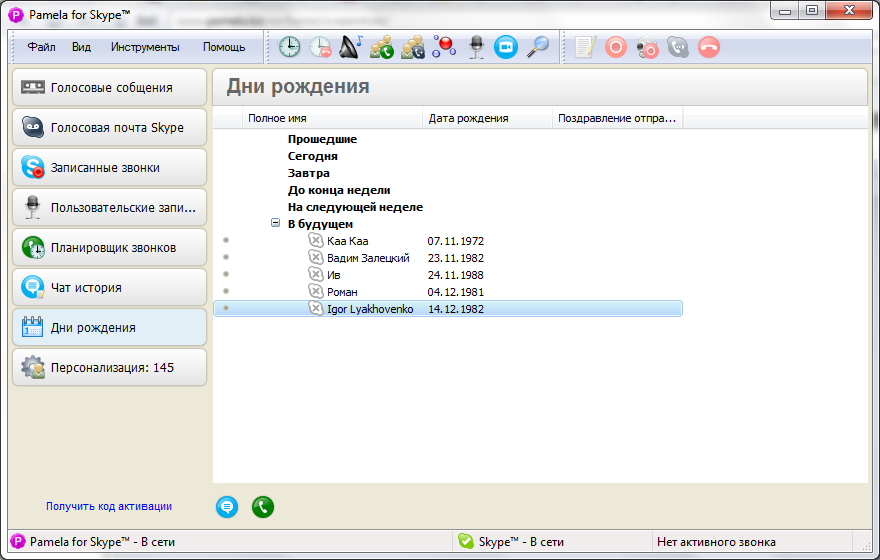
Pamela is the world's first certified Skype plugin; you can
trust it since it's the one of most popular Skype recording option, which give
you an easy way to save each of your Skype conversations.
Learn how to use Pamela to record a Skype call:
TalkHelper Call Recorder for Skype

TalkHelper's Skype Recorder provides the simple method to
record both incoming and outbound calls, the quality of video recording is best
among all of recording tools, a video sharing feature gives you the option to
share conversations with your participants.
VodBurner
To be the top-priced recorder for Skype, Vodburner offers an
affordable method to save your Skype calls with the acceptable quality, with
its built-in editing feature, you can edit the video clips and upload them onto
YouTube later.
Test&Compare
I record a 10 hours conversation on Skype with Pamela with
default settings, the first 1 hours recording is pretty excellent, the audio on
a dual channel is clear and synchronized. However, after 5 hours, the voice
streams are corrupted, and I have to use Cooledit to fix the issue, listen to
the sample recording:
Next time, I test with VodBurner's video recording feature,
I start one to one video conversation at the beginning, and invite the third
person to join the existing conversation, the recording process went well for
the first 10 minutes, after that, the call dropped for no reason.
I replayed the recording file on the storing folder, the
video was missing, I contacted the developer for assistance, but never received
a reply from them.
In the end, I have my entire Skype call recorded with
TalkHelper, which didn't fail to me, I believe it's time to make the final
decision.


